Description
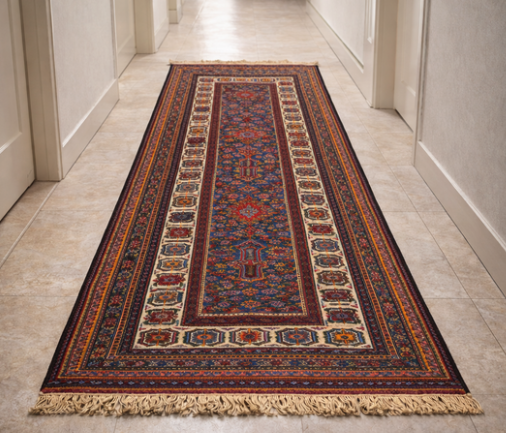
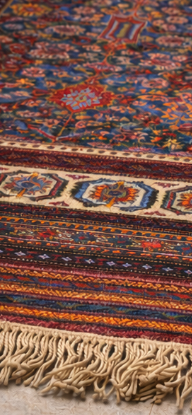
A striking handwoven tribal runner featuring intricate geometric motifs and rich crimson, indigo, and ivory tones. Perfect for hallways and narrow spaces, bringing warmth, history, and character underfoot.

A striking handwoven tribal runner featuring intricate geometric motifs and rich crimson, indigo, and ivory tones. Perfect for hallways and narrow spaces, bringing warmth, history, and character underfoot.
| Size | 280×150 |
|---|
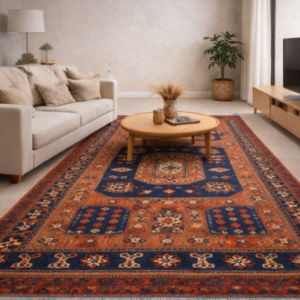
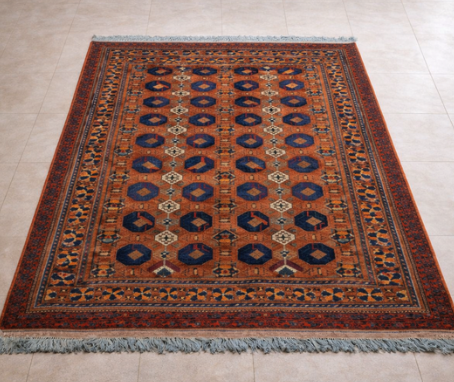
A vibrant tribal rug with warm saffron tones, deep indigo borders, and intricate geometric motifs. Perfect for adding heritage and color to a living space. Inspired by Caucasian Kazak weaving traditions, known for bold medallions, symbolic detail, and timeless durability.
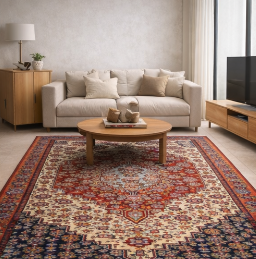
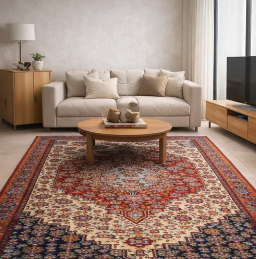
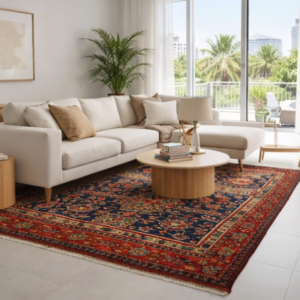
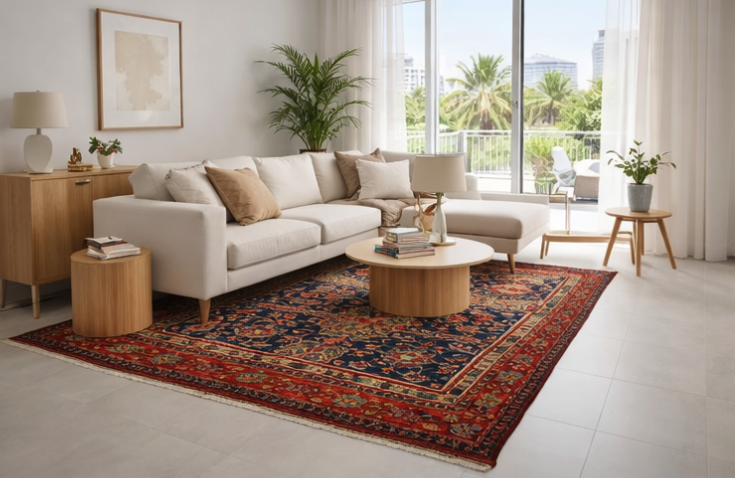
A finely detailed Persian-style rug with delicate floral motifs and a rich, warm palette. Elegant, timeless, and perfect for adding softness and heritage to any space.
This rug draws inspiration from the legendary weaving traditions of the Caucasus Mountains, a region spanning modern-day Azerbaijan, Armenia, Georgia, and Dagestan. Rugs from this area — often known as Kazak rugs — were traditionally woven by tribal communities in remote highland villages. These were not commercial products, but deeply personal creations: woven for family […]
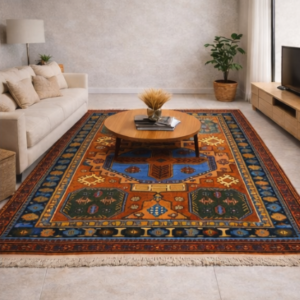
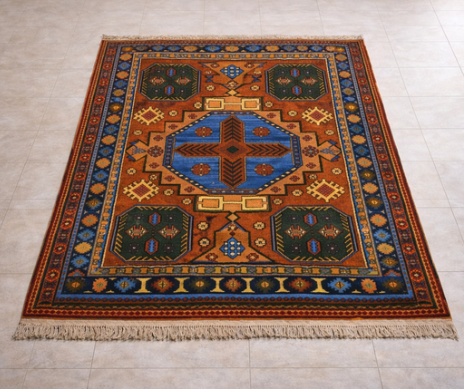
A bold Caucasian Kazak-style rug with vibrant medallions and warm amber tones. A powerful statement piece that brings character, heritage, and warmth into any living space.
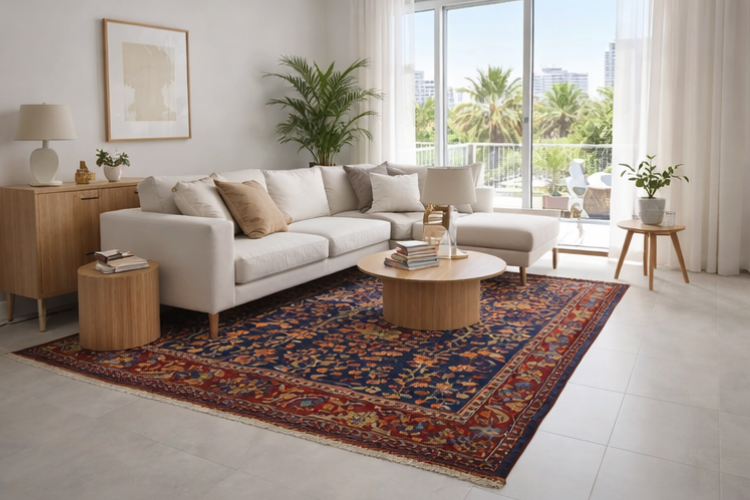
Midnight Garden of Persia is a breathtaking floral masterpiece, woven in the style of Persia’s most celebrated workshop traditions. Set against a rare deep indigo field, this rug unfolds like a poetic garden at night — filled with blossoming vines, elegant palmettes, and a majestic central Tree of Life rising from an ornate ceremonial vase. […]
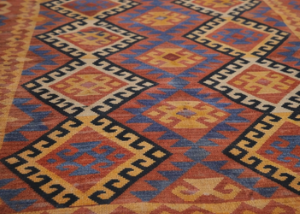
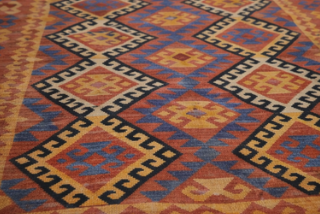
This rug belongs to the long tradition of Kilim weaving, one of the oldest textile arts across Anatolia, the Caucasus, and Persia. Unlike pile rugs, Kilims are flatwoven, making them lighter, more graphic, and often used by nomadic communities as: floor coverings wall tapestries bedding layers ceremonial textiles dowry pieces The repeating diamond motifs seen […]
Reviews
There are no reviews yet.