Description
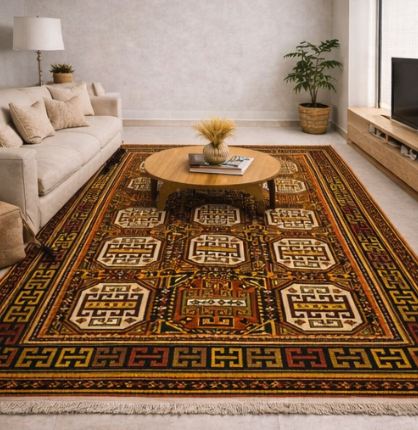
A bold geometric rug with rich golden tones and striking medallion panels. A statement centerpiece that brings warmth, structure, and tribal character to any room.

A bold geometric rug with rich golden tones and striking medallion panels. A statement centerpiece that brings warmth, structure, and tribal character to any room.
| Size | 250×160 |
|---|
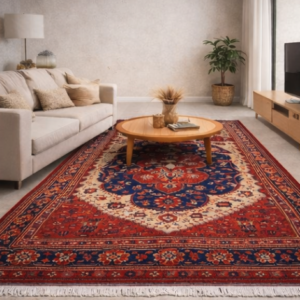
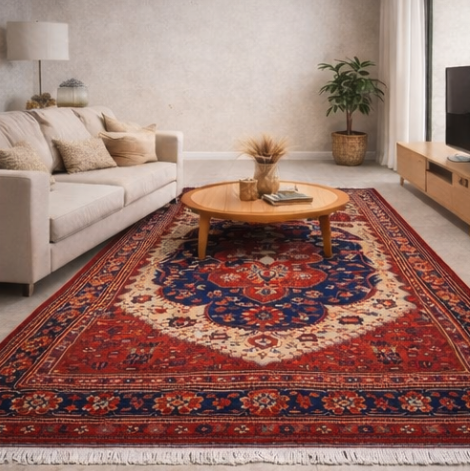
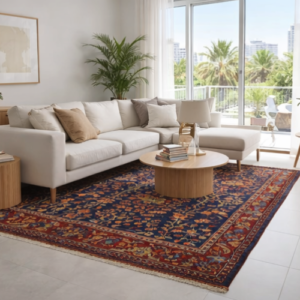
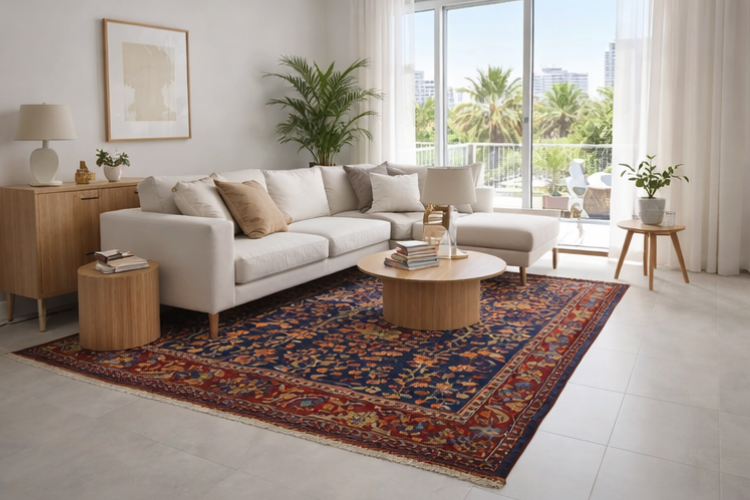
A timeless Persian-style rug with a bold central medallion and rich ruby and navy florals. Elegant, warm, and perfect as a living room centerpiece. Inspired by traditional Heriz weaving from Northwest Persia, this style is known for its strong structure, intricate detail, and enduring heirloom beauty.
Midnight Garden of Persia is a breathtaking floral masterpiece, woven in the style of Persia’s most celebrated workshop traditions. Set against a rare deep indigo field, this rug unfolds like a poetic garden at night — filled with blossoming vines, elegant palmettes, and a majestic central Tree of Life rising from an ornate ceremonial vase. […]
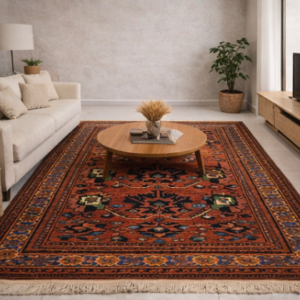
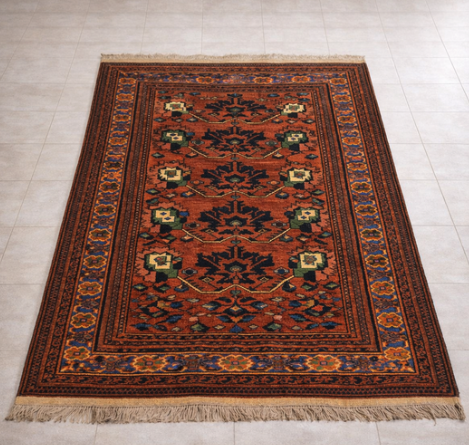
A rich Persian-style rug with warm rust tones, bold floral motifs, and a deep indigo frame. A timeless centerpiece that brings warmth and character to any living room. Inspired by the classic Heriz weaving tradition, known for strong patterns, durability, and enduring heirloom appeal.
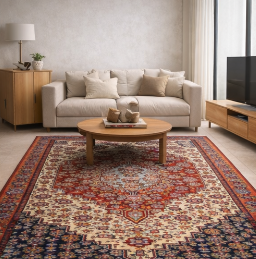
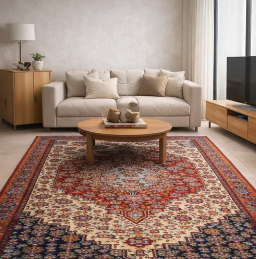
A finely detailed Persian-style rug with delicate floral motifs and a rich, warm palette. Elegant, timeless, and perfect for adding softness and heritage to any space.
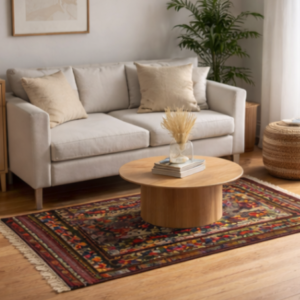
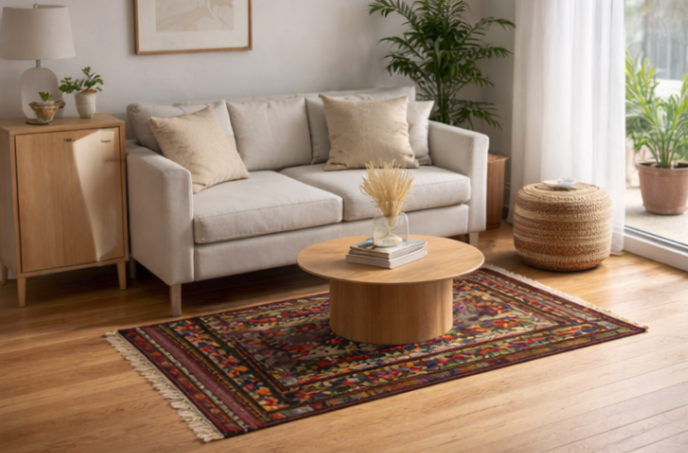
Rugs of this character trace back to the Caucasus region — particularly weaving traditions from areas such as Karabakh, Shirvan, and Dagestan, where small-format rugs were often created as intimate household treasures.
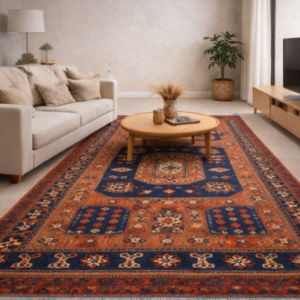
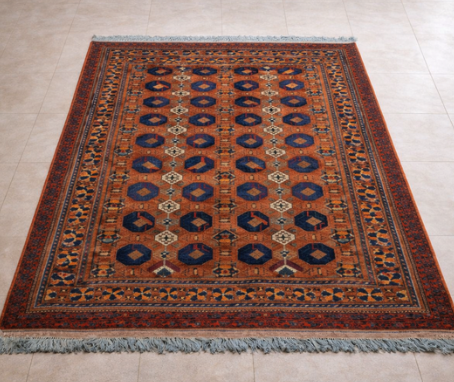
A vibrant tribal rug with warm saffron tones, deep indigo borders, and intricate geometric motifs. Perfect for adding heritage and color to a living space. Inspired by Caucasian Kazak weaving traditions, known for bold medallions, symbolic detail, and timeless durability.
Reviews
There are no reviews yet.